




If you've searched for a bottleless water dispenser for home use, you've probably already ruled out the office-style cooler with the giant plastic jug on top. Good instinct — those units are loud, they leak, and someone always forgets to order a replacement bottle before it runs dry. A bottleless system solves that by hooking into your existing water line (or a small internal reservoir) and filtering water on demand, so there's nothing to schedule, haul, or store.
The category has gotten crowded fast, though, and most of what shows up in a search for "best bottleless water dispenser" is either a stripped-down basin cooler wearing a new label or a listicle that never explains what actually separates a good unit from a mediocre one. This guide skips the padding. Below is exactly what to check before buying, how the main types stack up on cost and convenience, and where the Kül Spring and Kül Spark fit if you want a countertop system with hot, cold, and sparkling water built in.

What "bottleless" actually means
A bottleless water dispenser removes the 3- or 5-gallon jug from the equation entirely. Instead of storing pre-filled bottled water, the unit connects to your home's plumbing — usually through a simple line run to the nearest cold water supply, like the one under your sink — and filters tap water as it's dispensed. Some countertop models, including the Kül Spring, also work with a self-contained reservoir if you'd rather not run a water line at all, which matters if you're renting or don't want to touch your plumbing.
The result is the same either way: unlimited filtered water, no delivery subscription, and no 40-pound jug to lift onto a cooler every couple of weeks.
What to look for before you buy
Not every "bottleless" dispenser on the market is built the same. Here's what actually determines whether you'll be happy with one a year from now.
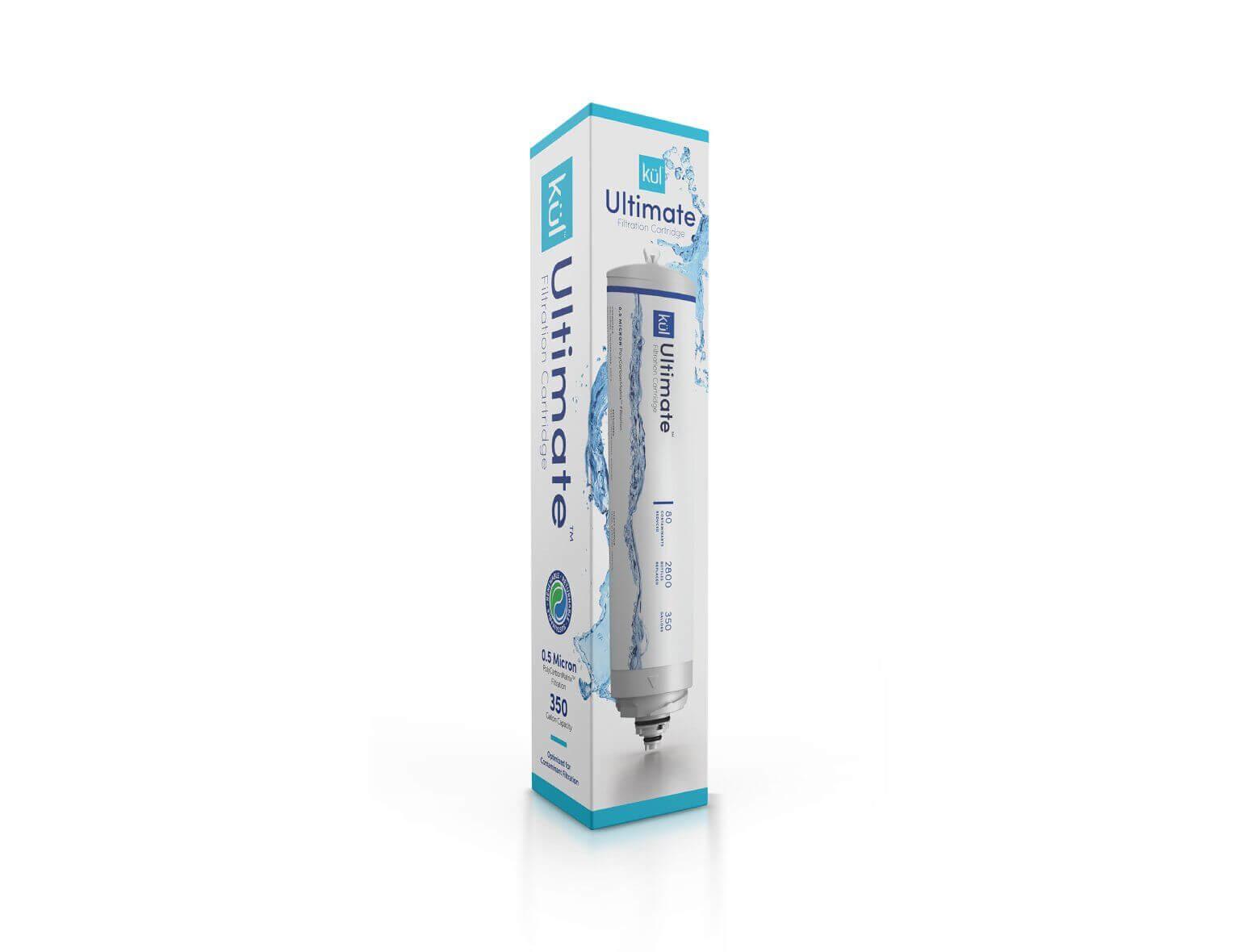
Filtration quality. Ask specifically what the filter removes and how many gallons it's rated for before needing replacement. A carbon block filter rated for 300+ gallons and NSF-certified contaminant reduction (chlorine, lead, cysts) is a reasonable baseline. Anything vaguer than that is a red flag.
Water temperature options. Cold-only units are the cheapest, but most households end up wanting hot water too — for tea, instant oatmeal, or French press coffee without waiting on a kettle. If you're comparing models, check the actual hot water temperature (Kül's Spring and Spark both hit up to 180°F) and how fast it recovers after repeated use.
Install type. Direct plumb-in units need a cold water line nearby, typically under the sink, and a small drill kit to tap into it — most owners get it done in under 30 minutes. Reservoir-fed units need zero plumbing but require manual refills every few days depending on household size.
Footprint and noise. Countertop units range from about 13 to 16 inches wide. If counter space is tight, measure before you buy; our guide to a family kitchen water dispenser explains why depth matters most.
Real running costs. Filters and, if you want sparkling water, CO2 cartridges are the ongoing cost. Get the actual per-year number before assuming a bottleless system is "free" after purchase.
Warranty coverage. Refrigeration components and hot water systems fail for different reasons on different timelines, so check whether the warranty covers both, and for how long.

Bottleless vs. bottled: the real cost comparison
This is the number most buying guides skip, so here it is with actual figures.
|
Bottled / jug delivery |
Bottleless countertop dispenser |
|
|
Upfront cost |
$0–50 (cooler rental) |
$900–1,200 (purchase) |
|
Monthly cost |
$30–60 (5-gallon jugs + delivery fee) |
$0–8 (filter amortized) |
|
Annual cost |
$360–720 |
$30–100 |
|
Hot water |
No (unless separate kettle) |
Yes, instant |
|
Sparkling water |
No (unless separate cans/SodaStream) |
Yes, on select models |
|
Plastic waste |
12+ jugs/year per household |
None |
A household spending $45 a month on delivered water jugs is looking at roughly $540 a year. A $1,095 countertop unit like the Kül Spring pays for itself in under two years purely on the delivery savings, before factoring in the convenience of never running out mid-week or the elimination of a kettle and a separate soda maker.
Types of bottleless systems, compared honestly
Basin coolers relabeled as "bottleless." Some products marketed this way are just standard hot/cold coolers with a plumbing adapter bolted on. They're usually the cheapest option but skip real filtration and offer no temperature customization beyond hot/cold.
Under-sink filtration with a separate faucet. Good filtration, but you lose the instant hot water and sparkling water functionality, and you need extra counter or sink-deck space for a second faucet.
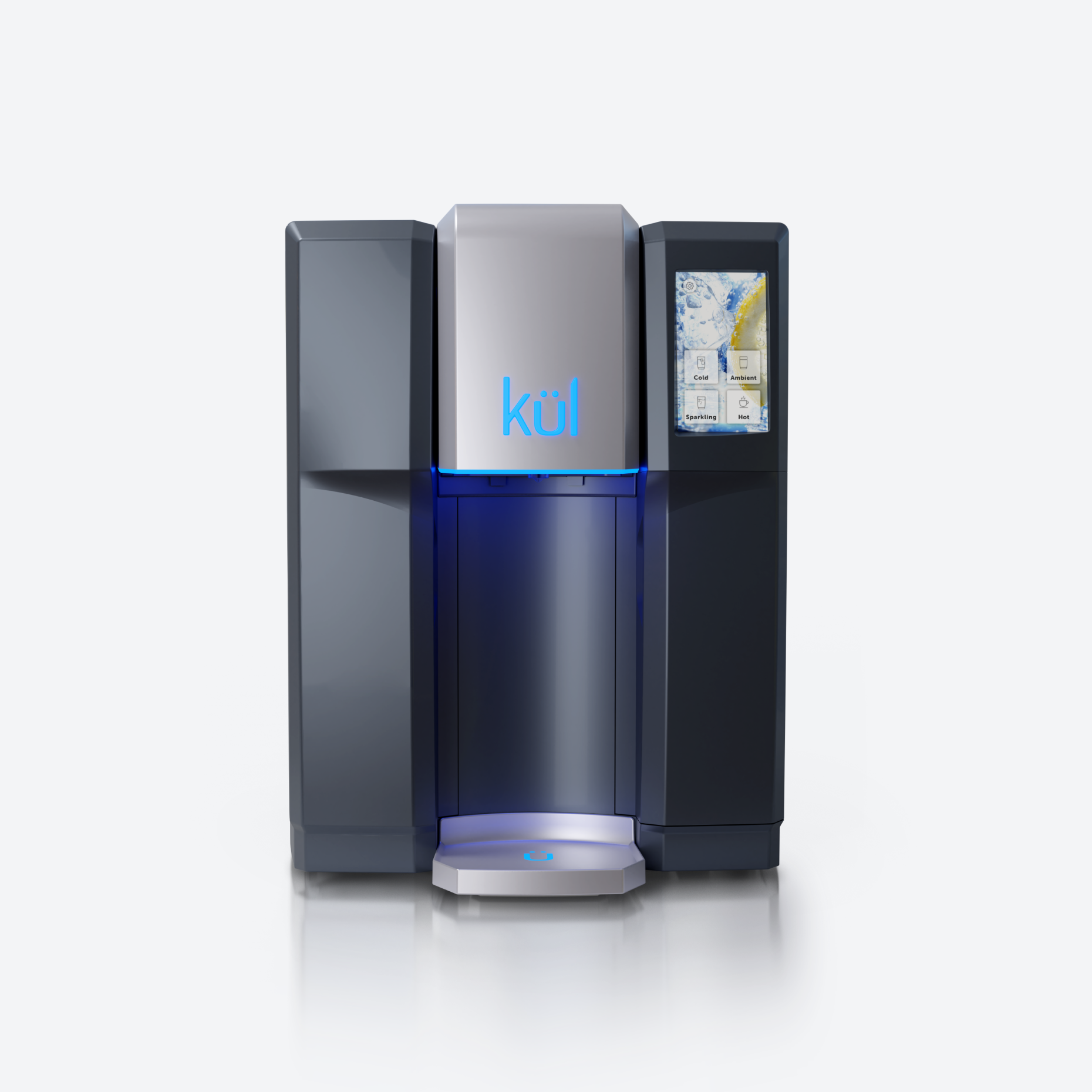
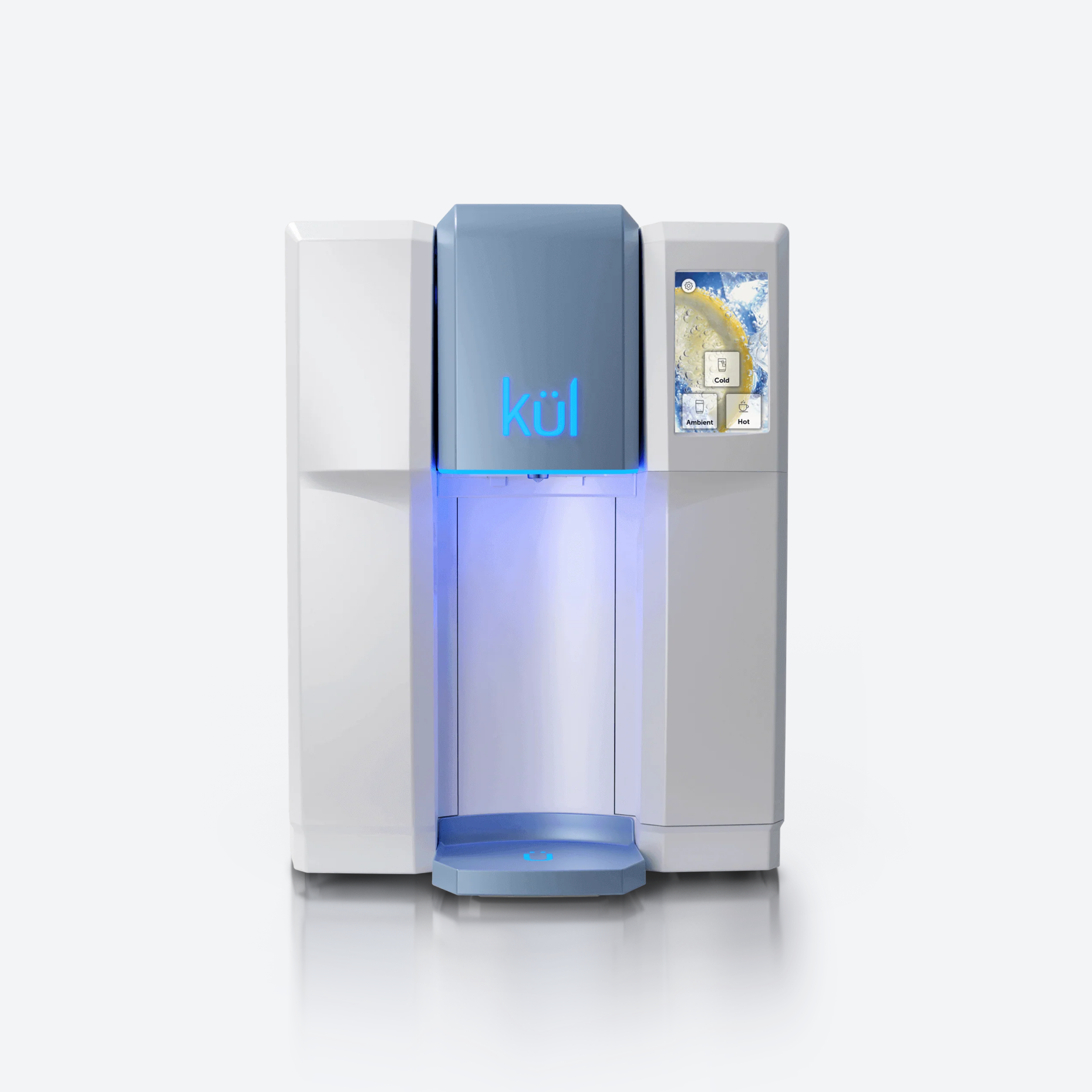
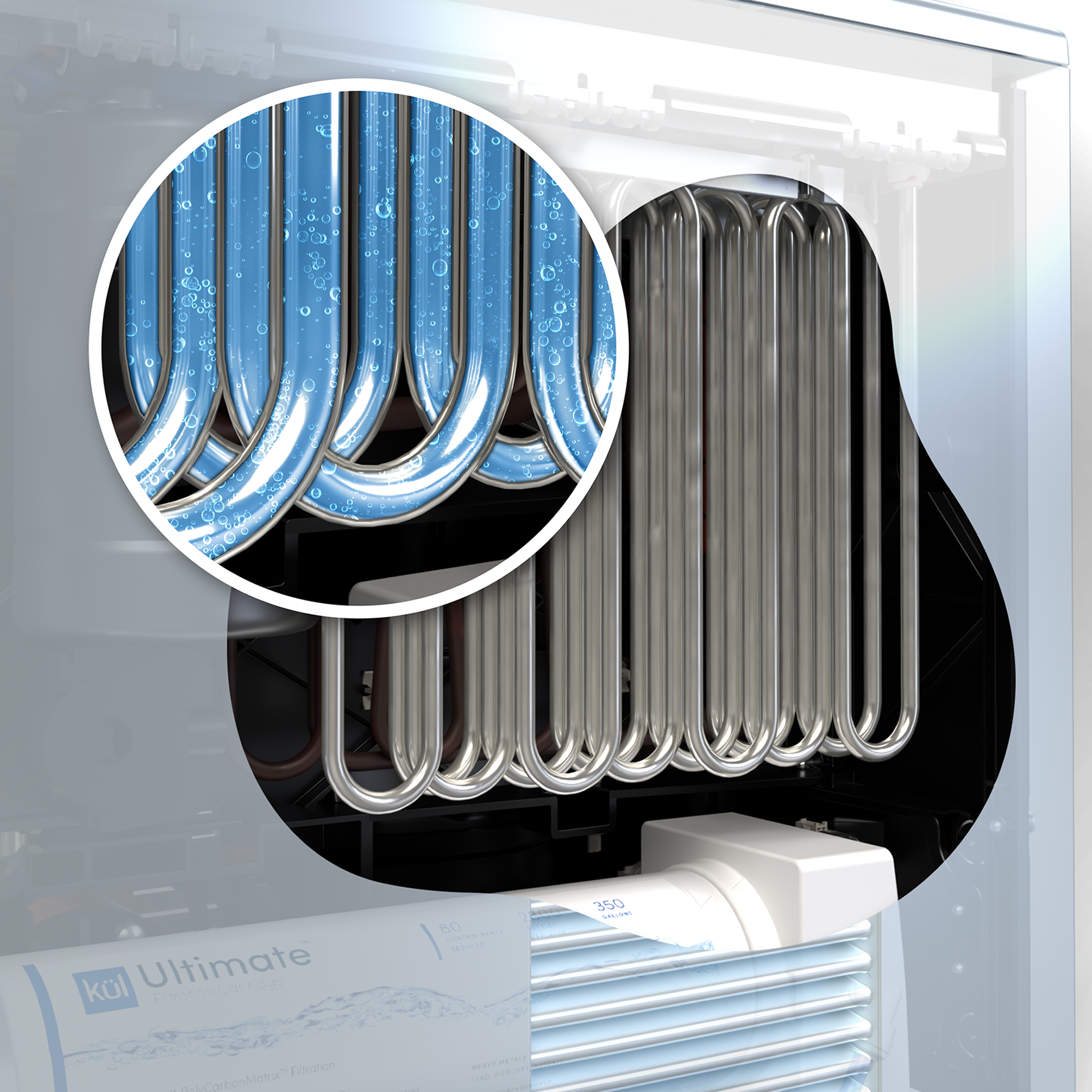
All-in-one countertop hydration systems. This is where the Kül Spring and Kül Spark sit. Both combine commercial-grade filtration (removing 80+ contaminants, rated for 350 gallons per filter) with cold, ambient, and hot water at the touch of a button — and the Spark adds sparkling water on demand from a swappable CO2 cartridge.
The distinction that actually matters for a "for home" search: an all-in-one countertop system is the only category that replaces a kettle, a filter pitcher, and a soda maker simultaneously, which is usually the real reason people go looking for a bottleless dispenser in the first place instead of just buying a cheaper filter pitcher.
Best bottleless water dispensers for home use in 2026
Best overall: Kül Spring

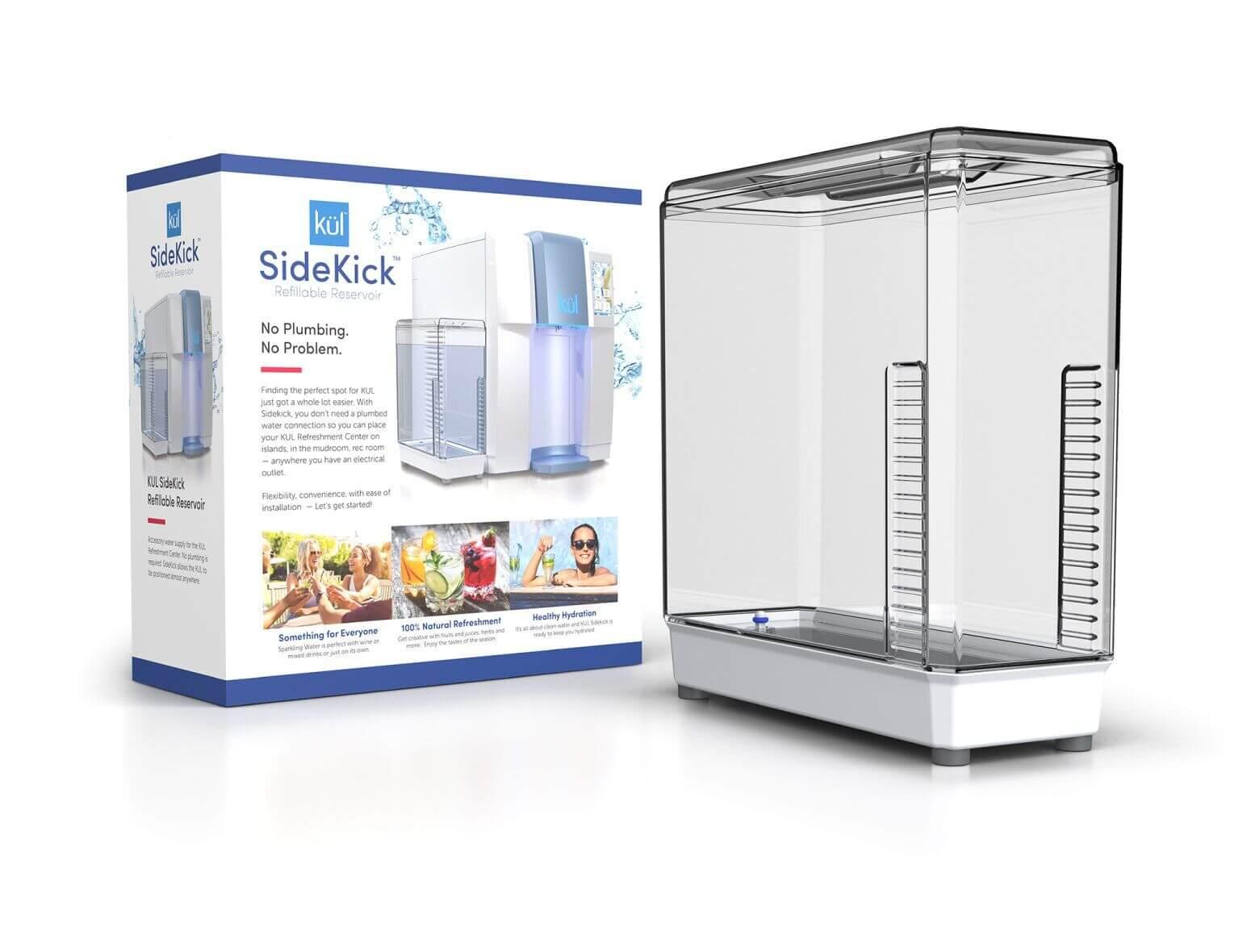
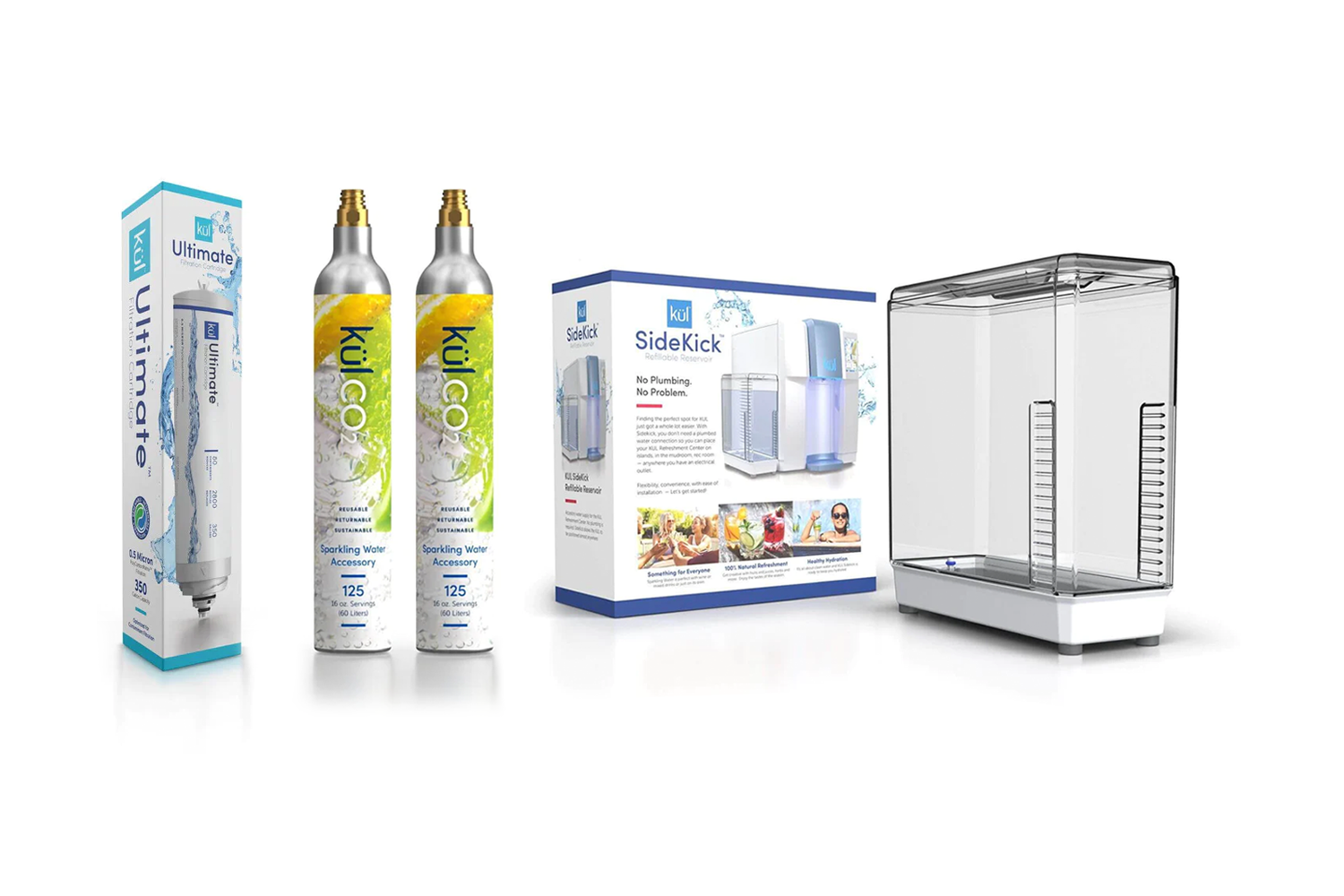
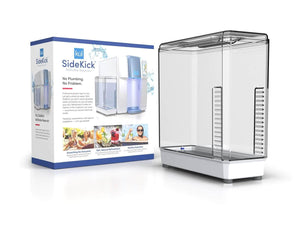
The Spring covers the three water types most households actually use daily — cold at 42°F or below, ambient, and hot up to 180°F — without the added cost of the sparkling hardware. It's priced at $1,095, measures 13.6"W x 16.5"H x 20.5"D, and pairs with the $79.99 SideKick reservoir if you'd rather skip the water line entirely. It carries a 3-year warranty on the hot water system and a 5-year warranty on refrigeration.
Best for sparkling water drinkers: Kül Spark

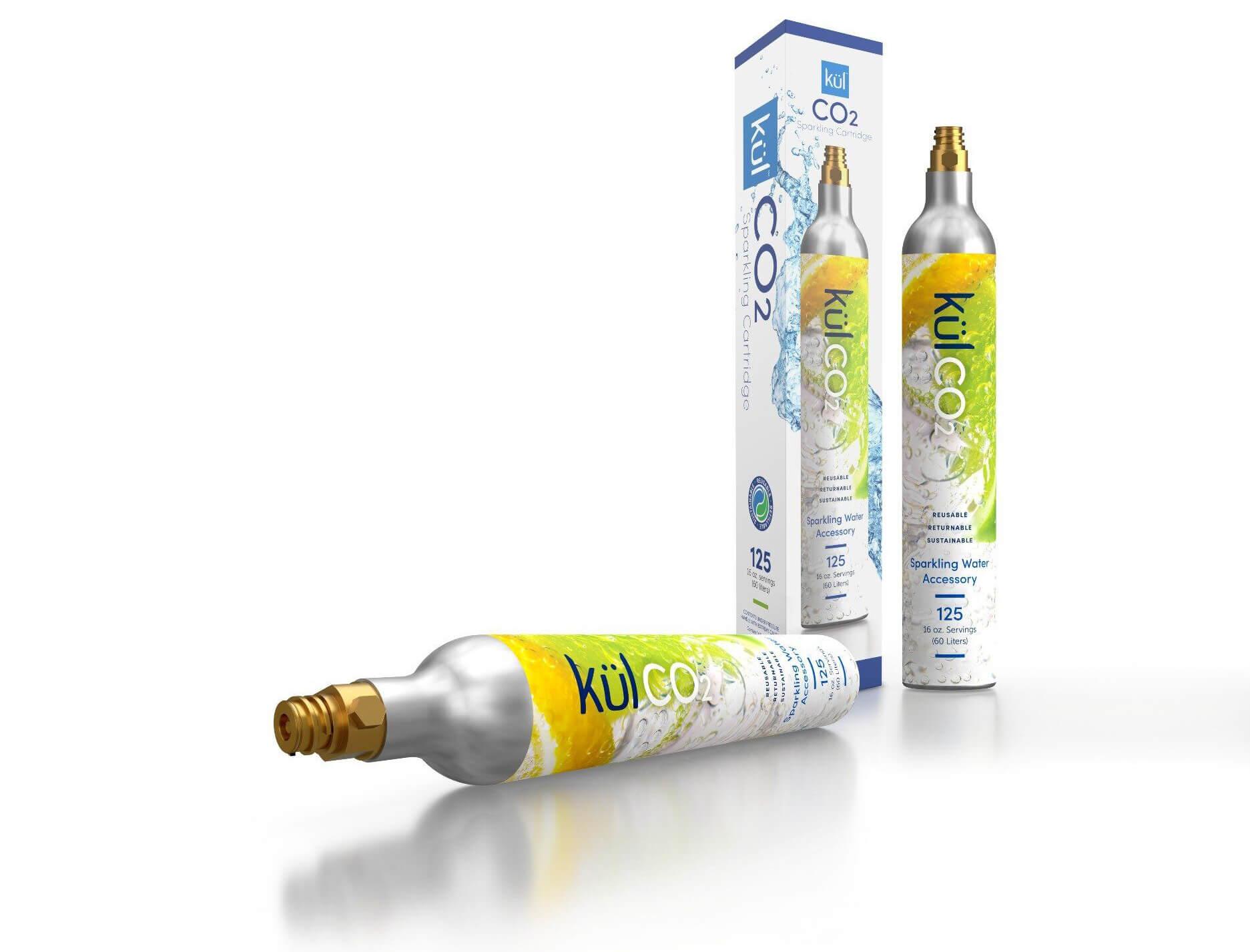
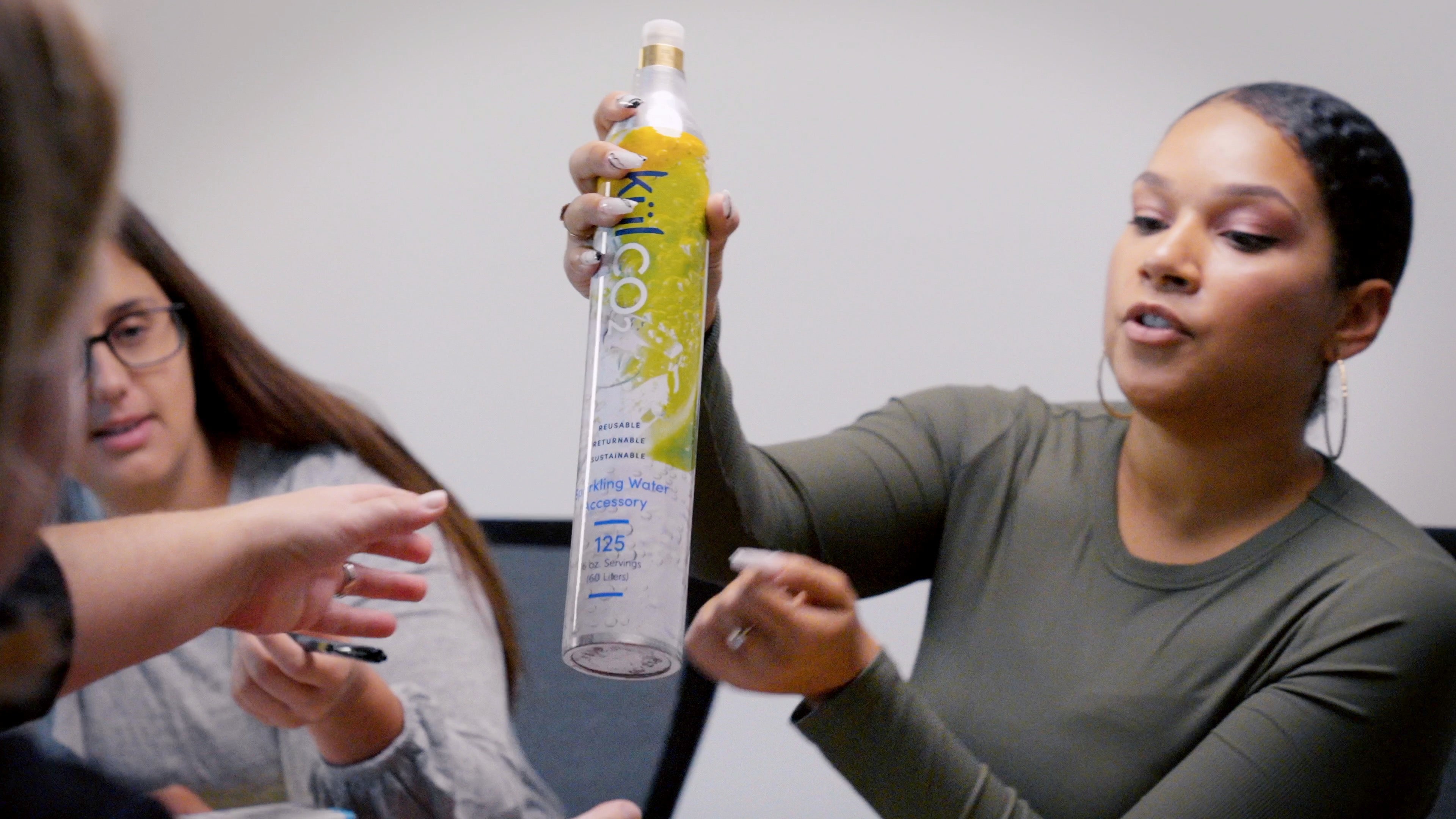
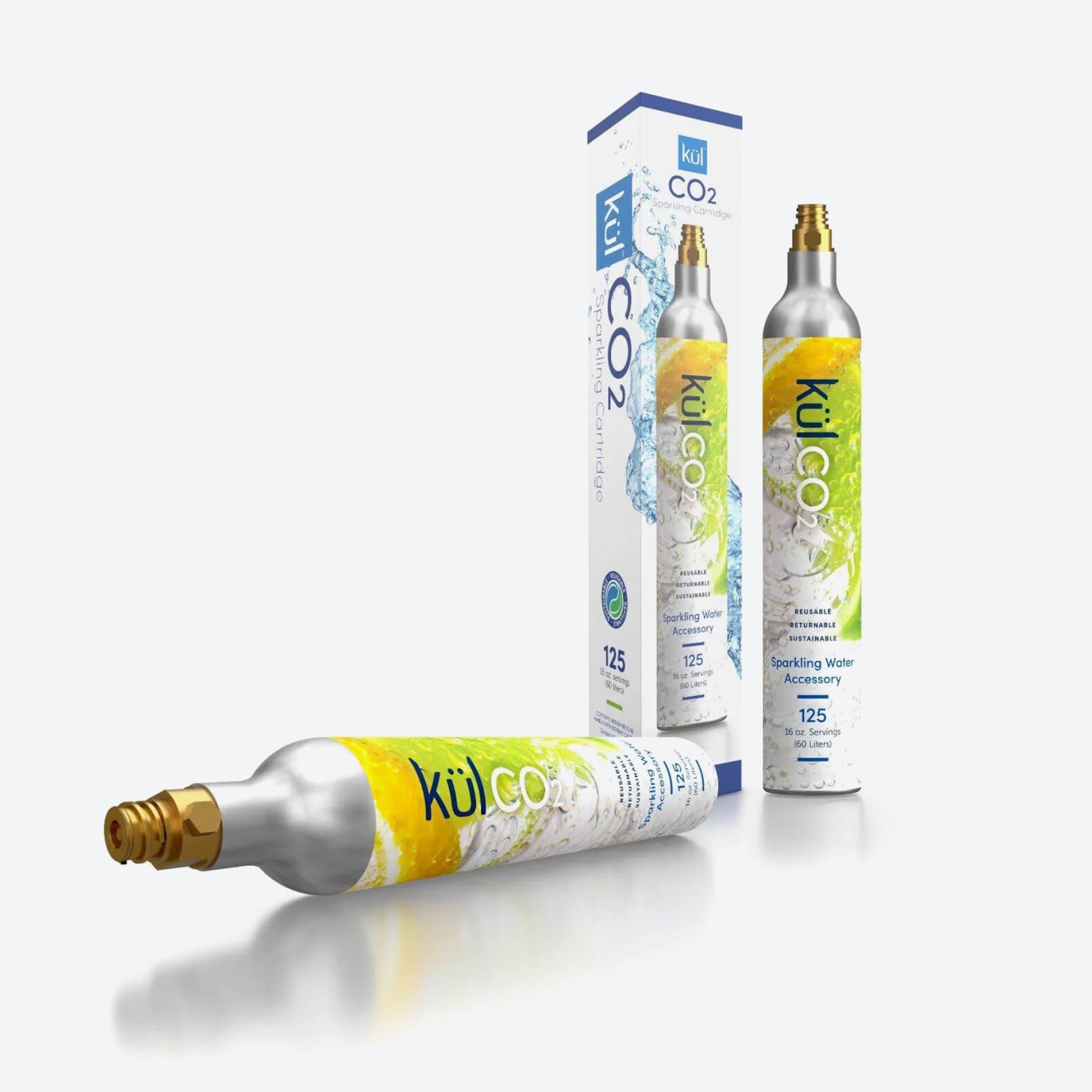
If you're currently buying canned sparkling water or seltzer by the case—and want to know whether sparkling water is good for you compared to still—the math shifts further in your favor with the Spark. One CO2 cartridge carbonates roughly 150 glasses, which works out to a fraction of the per-can cost of store-bought seltzer, and you control the carbonation level yourself rather than getting whatever level the can shipped with.
Best for renters or no-plumbing setups: Kül Spring + SideKick
If modifying a rental's plumbing isn't an option, pairing the Spring with the one-gallon SideKick reservoir gets you the same filtered hot/cold/ambient water without touching a single pipe. You'll refill the reservoir manually, which is a minor daily task in exchange for zero installation commitment.

Installation: what to actually expect
Most direct-plumb installs take under 30 minutes with basic tools if there's an accessible cold water line under the sink — the included kit typically handles the tap-in without hiring a plumber. If your setup is unusual (no accessible line, finished cabinetry with no room to run tubing), budget an extra 20–30 minutes or consider the reservoir option instead. Either way, there's no permanent modification to your home's plumbing — the connection is removable if you move or want to relocate the unit.
Maintenance reality check
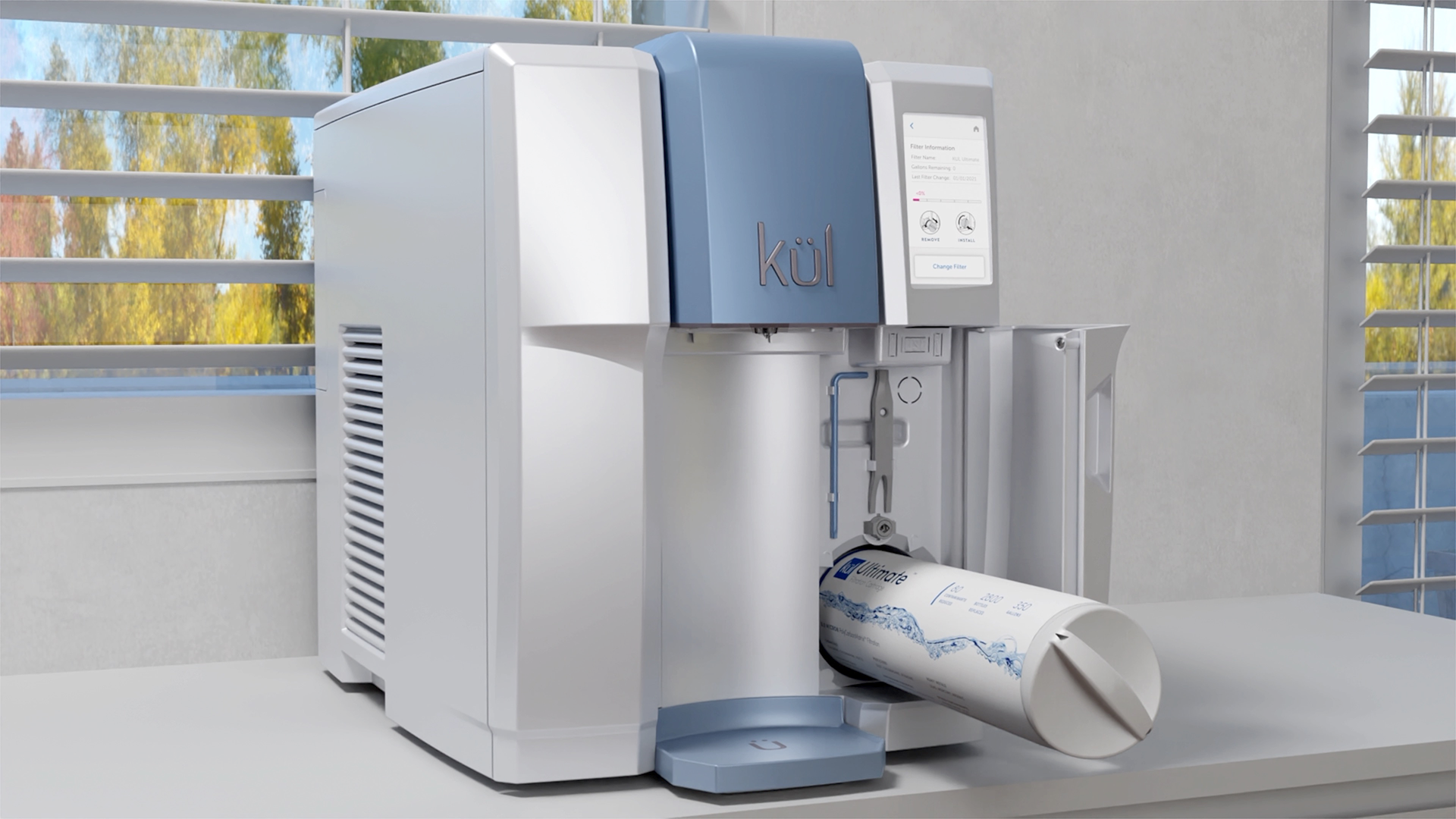
Filter changes are the only recurring task, and they're rated by gallons filtered rather than a fixed calendar schedule, so usage determines frequency — a family of four will swap filters more often than someone living alone. Swapping a cartridge takes under two minutes and requires no tools. If you opt for a sparkling model, CO2 cartridge swaps are similarly quick — pull, replace, done.
Common mistakes when buying a bottleless dispenser
● Skipping the filter specs. "Filtered water" on a product page means nothing without a contaminant list and a gallon rating.
● Ignoring footprint before ordering. Measure your counter space first — a 16-inch-wide unit won't fit where you assumed a "compact" cooler would.
● Forgetting the install requirement. If you're renting and can't modify plumbing, confirm a reservoir option exists before you buy a plumb-in-only unit.
● Comparing sticker price only. A $400 basin cooler with a $15/month filter subscription can cost more over three years than a $1,095 unit with a $75 filter replaced twice a year.
Frequently asked questions
Is a bottleless water dispenser worth it for a single-person household?
Yes, if you currently spend more than about $20–25 a month on bottled or delivered water, or if you'd use the hot and sparkling water functions daily. Below that spend level, the payback period stretches past three years, so a smaller filter pitcher might make more sense.
Do bottleless dispensers need a professional plumber?
Not usually. Direct-plumb models come with an install kit designed for a DIY connection to an existing cold water line, similar to installing an under-sink filter. If you're not comfortable with basic plumbing, a handyman can typically complete it in well under an hour.
How often do the filters need to be replaced?
It depends on household water usage rather than a fixed date — most commercial-grade filters are rated for around 350 gallons, which averages out to roughly every 4–6 months for a typical family.
Can a bottleless dispenser make sparkling water as good as canned seltzer?
Yes, and you control the carbonation level directly, which most canned seltzer doesn't allow. The carbonation comes from a CO2 cartridge rather than the tap water line itself.
What's the real difference between the Kül Spring and Kül Spark?
The Spring delivers cold, ambient, and hot filtered water. The Spark adds sparkling water on top of those three, using a swappable CO2 cartridge. If you don't drink sparkling water regularly, the Spring is the simpler and less expensive choice.
The call
A bottleless water dispenser for home use earns its cost back through eliminated delivery fees, but the bigger draw for most households is consolidation — one countertop unit replacing a kettle, a filter pitcher, and a soda maker. Between the two Kül models, the decision mostly comes down to whether sparkling water is part of your daily routine: the Kül Spring covers the essentials, and the Kül Spark adds carbonation for households that want it.
If you're weighing the trend behind this shift more broadly, our related post, The Rise of Countertop Hydration Systems, covers why more households are moving away from bottled water delivery altogether.
