




Sparkling water is a household staple for a reason: it’s a refreshing, healthy alternative to sugary sodas (or diet sodas full of artificial sweeteners). Despite these benefits, drinking canned sparkling water every day also has its downsides. These include costs that add up to become significant over time.
In addition to spending money on endless cases of cans, other downsides include the environmental impact of aluminum waste, the inconvenience of carrying home heavy packs, and the difficulty of finding somewhere to store them so you don’t have to run back and forth to the store every few days.
The good news: there’s a smart, sustainable way to make your own sparkling water at home. Read on as we describe these costs and then explain the at-home alternative.
The True Cost of Buying Sparkling Water Regularly
Sure, a single can of sparkling water seems inexpensive. At around $0.50 to $1.50 per can (varying depending on the brand and where you shop), picking up a single can never feels like a major expense.
But unfortunately, the math adds up quickly when this is a habit you indulge multiple times a day. At $1 each, just two cans a day add up to:
● $14 per week
● $56 per month
● More than $700 per year
● $7,000+ over a decade
That’s not to mention the even greater costs if you have a household with multiple people drinking sparkling water! It also doesn’t include additional, hidden fees like delivery costs or the cost of extra fridge space to keep cases cold, for example.
The math is simple, and it makes it clear that this isn’t a financially sound habit, especially in the long run.
Environmental Impact of Canned Beverages
While aluminum cans are marketed as recyclable, this doesn’t mean they don’t have negative impacts on the environment. Recycling is anything but a perfect solution.
The process of producing and recycling aluminum requires huge amounts of energy and natural resources. It involves mining bauxite ore, manufacturing cans, transporting the filled cans, and processing recyclables. All of these steps produce carbon emissions.
In addition, not every can actually ends up getting recycled. In the U.S., roughly 50% of aluminum cans get recycled. This means that half of the cans that get used end up piling up in landfills or contributing to litter.
There’s also the environmental cost of transportation. Cases of canned sparkling water are particularly heavy, so significant amounts of fuel are needed to ship them from factories to warehouses to stores.
Storage & Convenience Challenges at Home
If you buy large amounts of sparkling water, you know how inconvenient it can be to:
● Haul heavy cases from the store
● Find pantry or garage space where you can store extra cases
● Make room in the fridge to chill multiple cans
● Run out of sparkling water unexpectedly and have to make another trip to the store
Especially for busy families and people with smaller kitchens, canned beverages can be a source of clutter and wasted time.
How to Make Sparkling Water at Home
Making your own sparkling water at home is easier than it’s ever been. Countertop sparkling water makers can carbonate filtered water in a matter of seconds, so you can drink fresh sparkling water on demand.
Why Countertop Sparkling Water Systems Are a Better Option
Many households that drink sparkling water on a regular basis would benefit from investing in a countertop system that carbonates water on demand. In comparison to buying canned beverages, these systems:
● Have lower long-term costs
● Produce significantly less waste
● Are far more convenient
● Require much less storage space
The Best Sparkling Water Maker
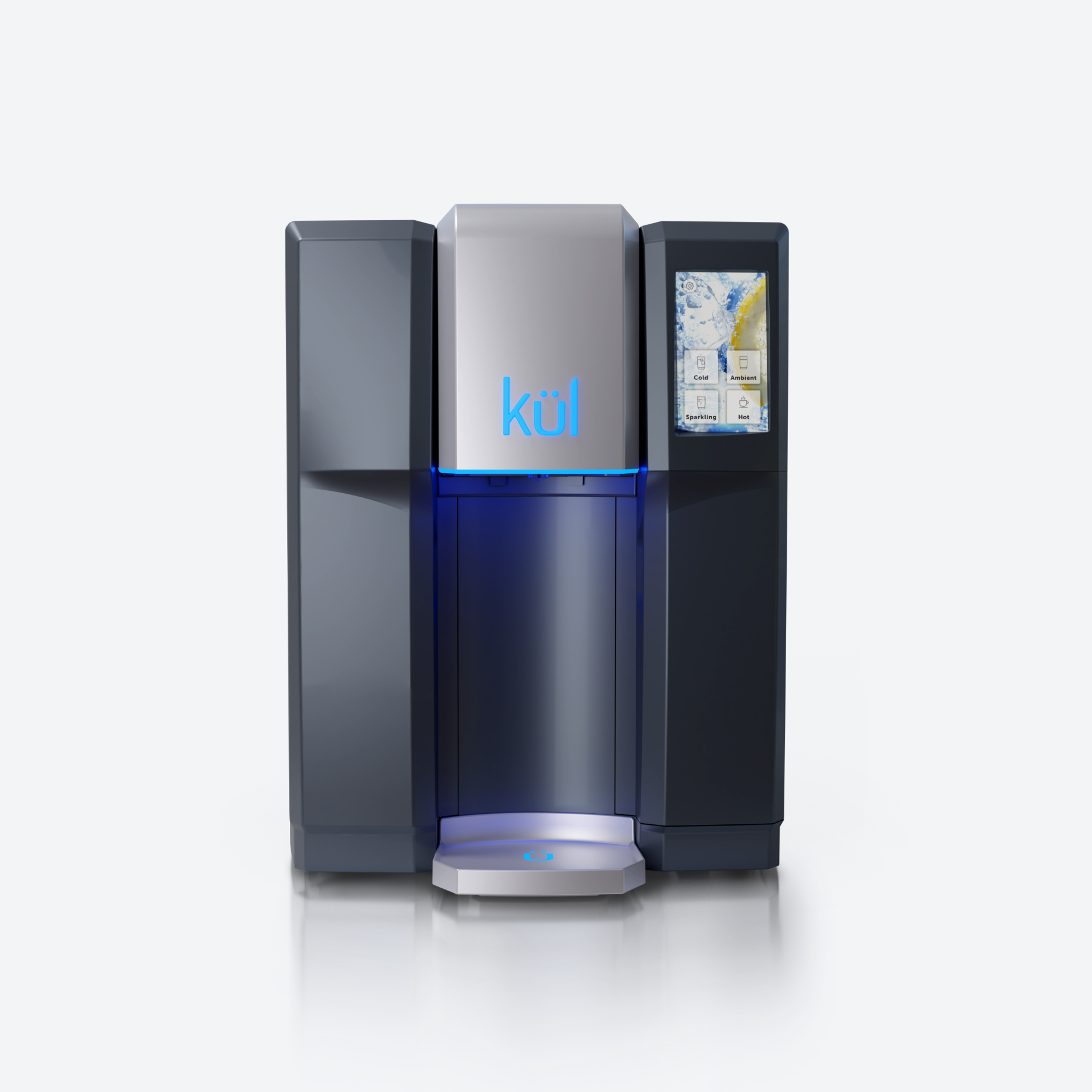
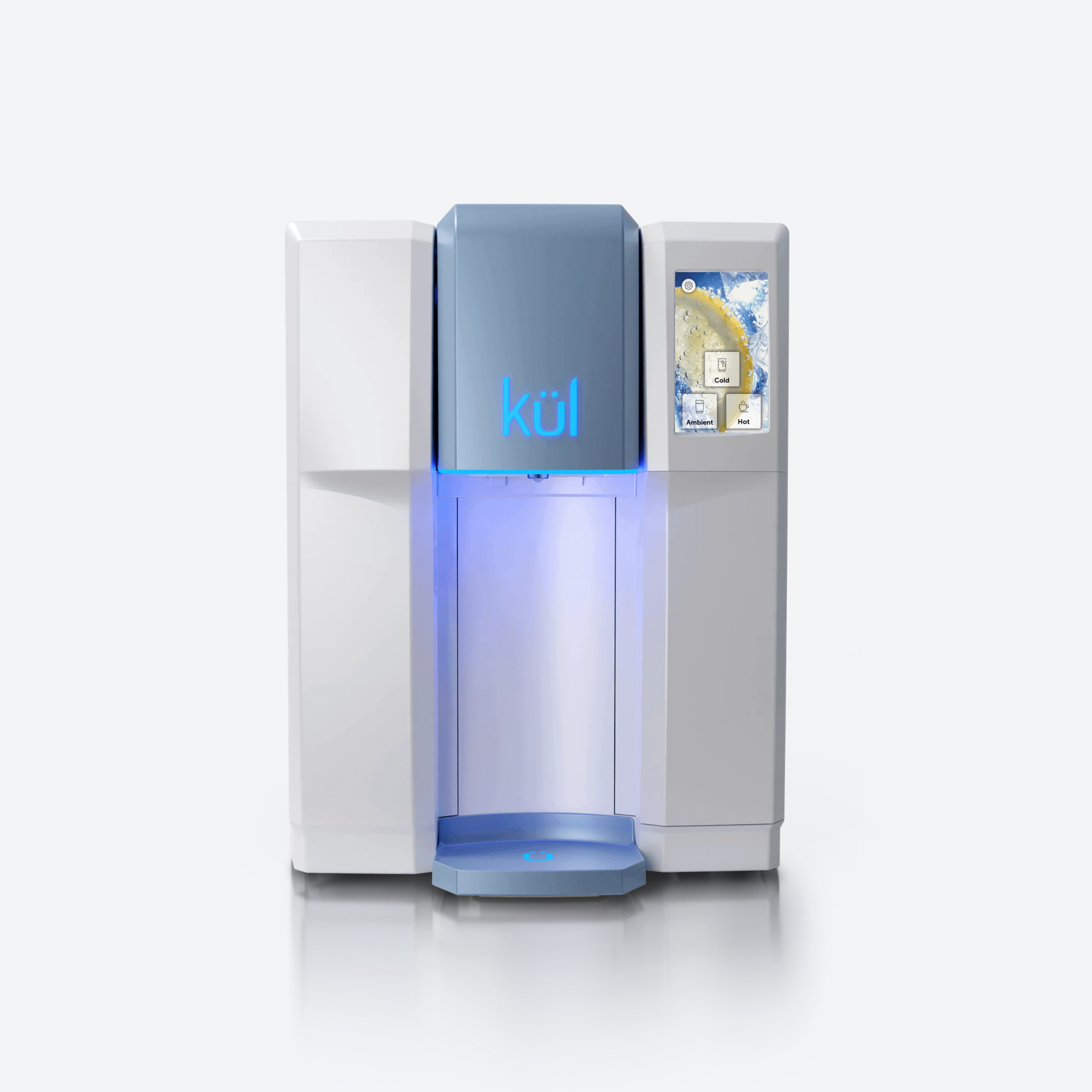
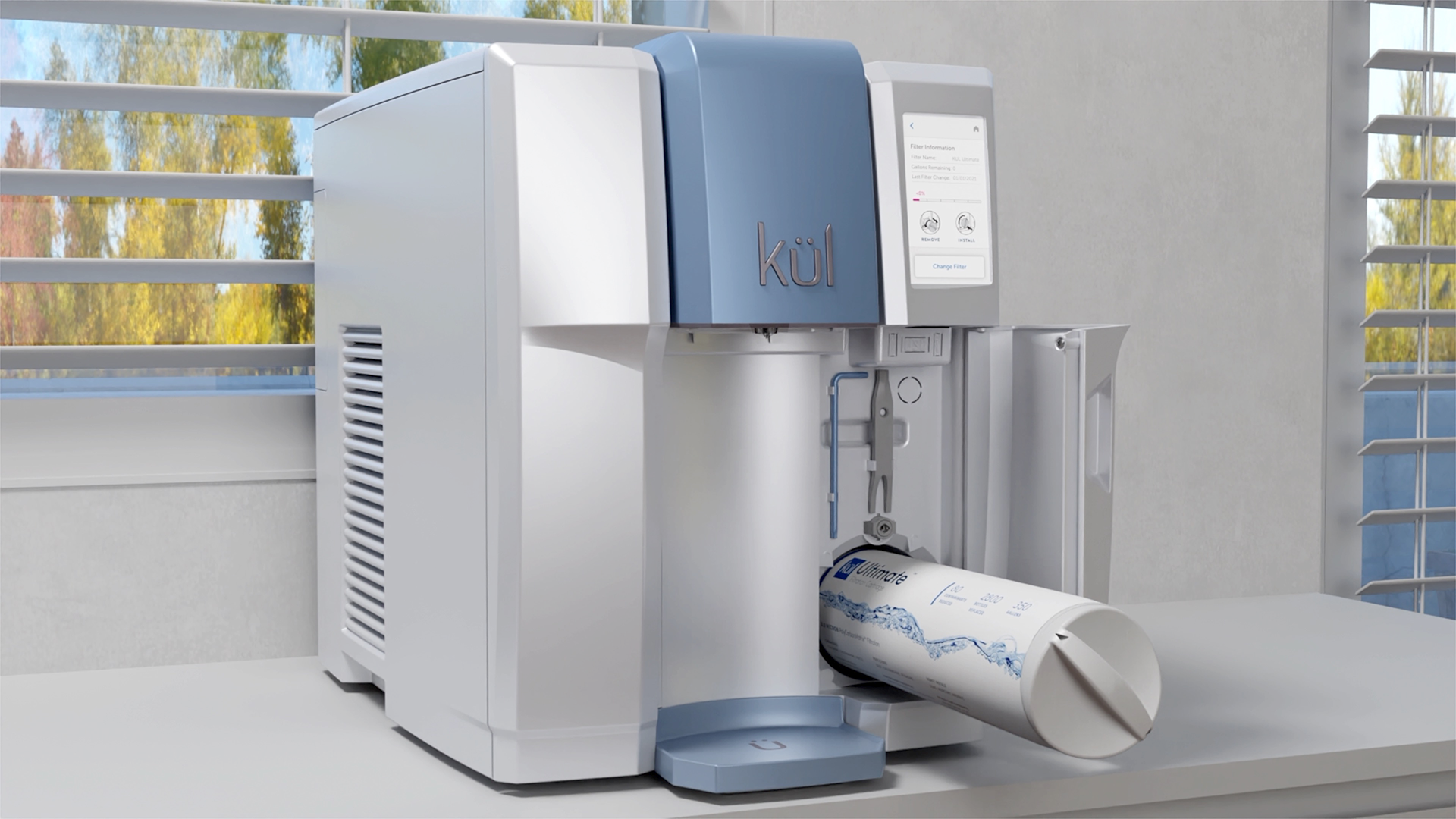
The Kül Spark provides still, sparkling (with customizable carbonation levels!), hot, and ambient-temperature water at the press of a button. (The Kül Spring, on the other hand, is a similar alternative that doesn’t produce carbonated water.)
With a countertop sparkling water system in your home, daily hydration becomes more affordable, more cost-effective, better for the environment, and easier for you to keep up with. Although canned sparkling water might seem convenient, the costs (not just financial, but also environmental and practical) really do add up.
If you’re a regular sparkling water drinker, it may finally be time to ditch the cans and make the upgrade to a smarter home alternative.
Frequently Asked Questions:
Is a sparkling water machine worth it?
For households that drink sparkling water regularly, yes. The upfront cost of a countertop sparkling water machine is typically recouped within the first year compared to buying cans, and you'll continue saving money for years while cutting down on waste.
How much can you save with a home sparkling water dispenser?
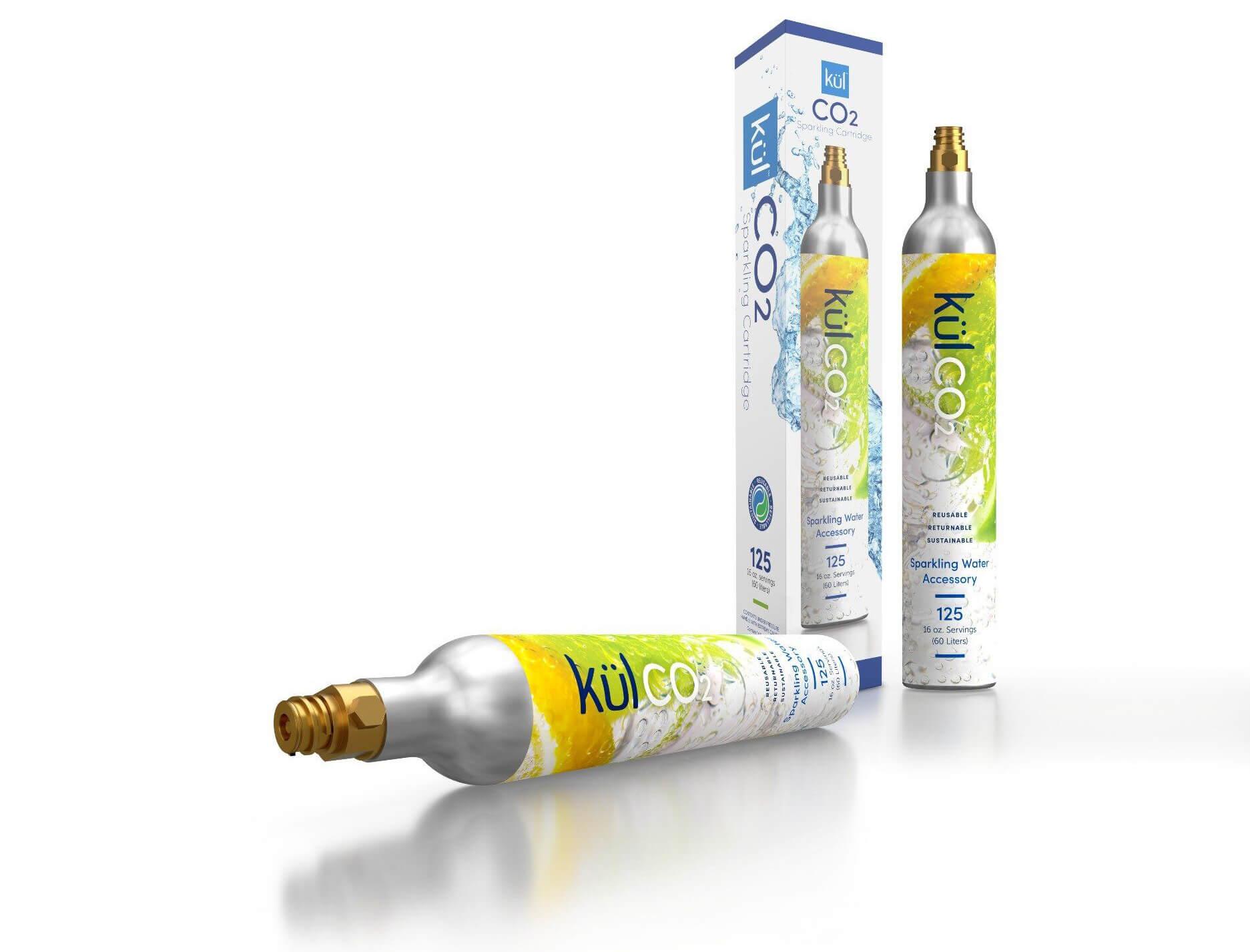
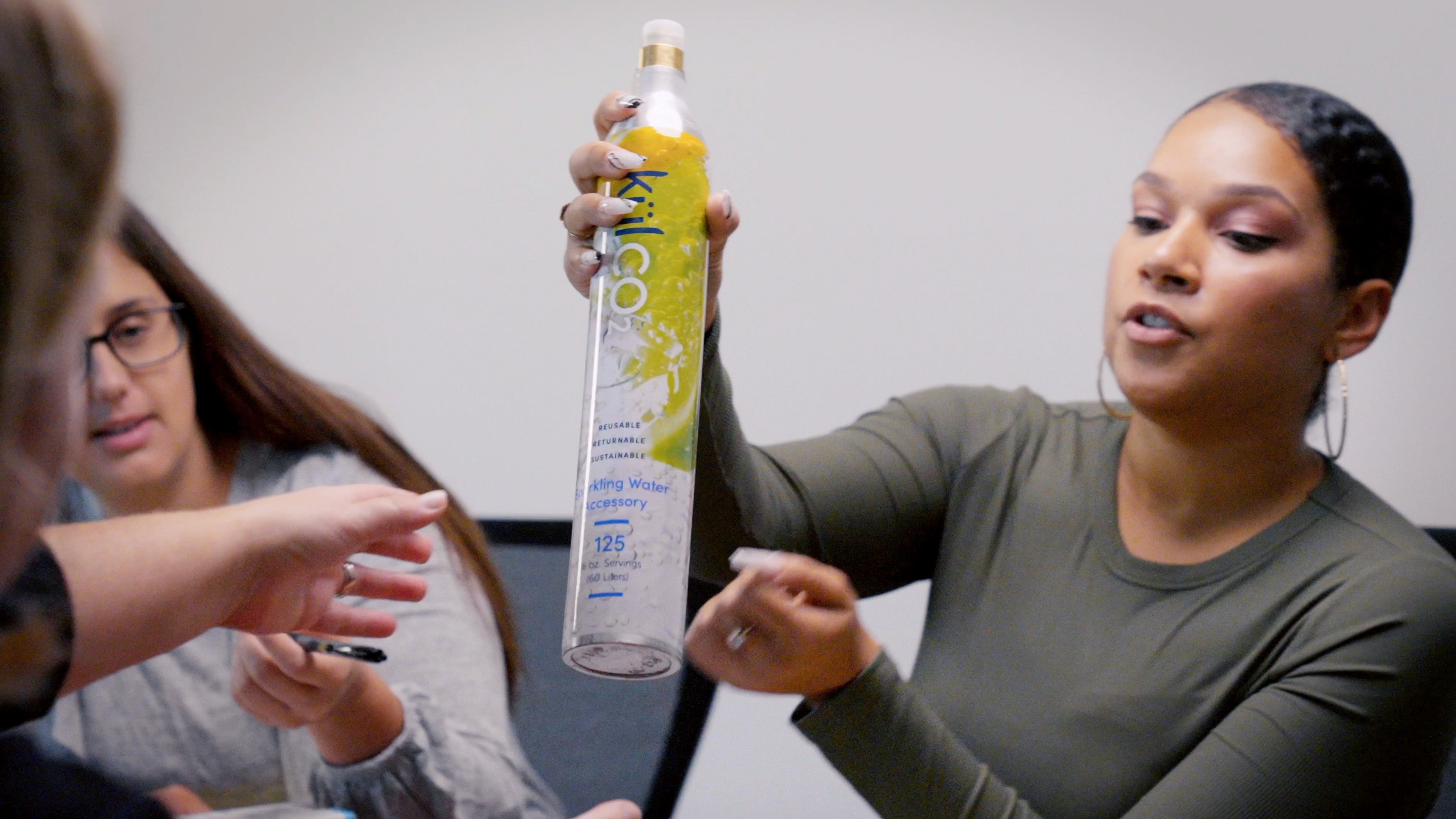
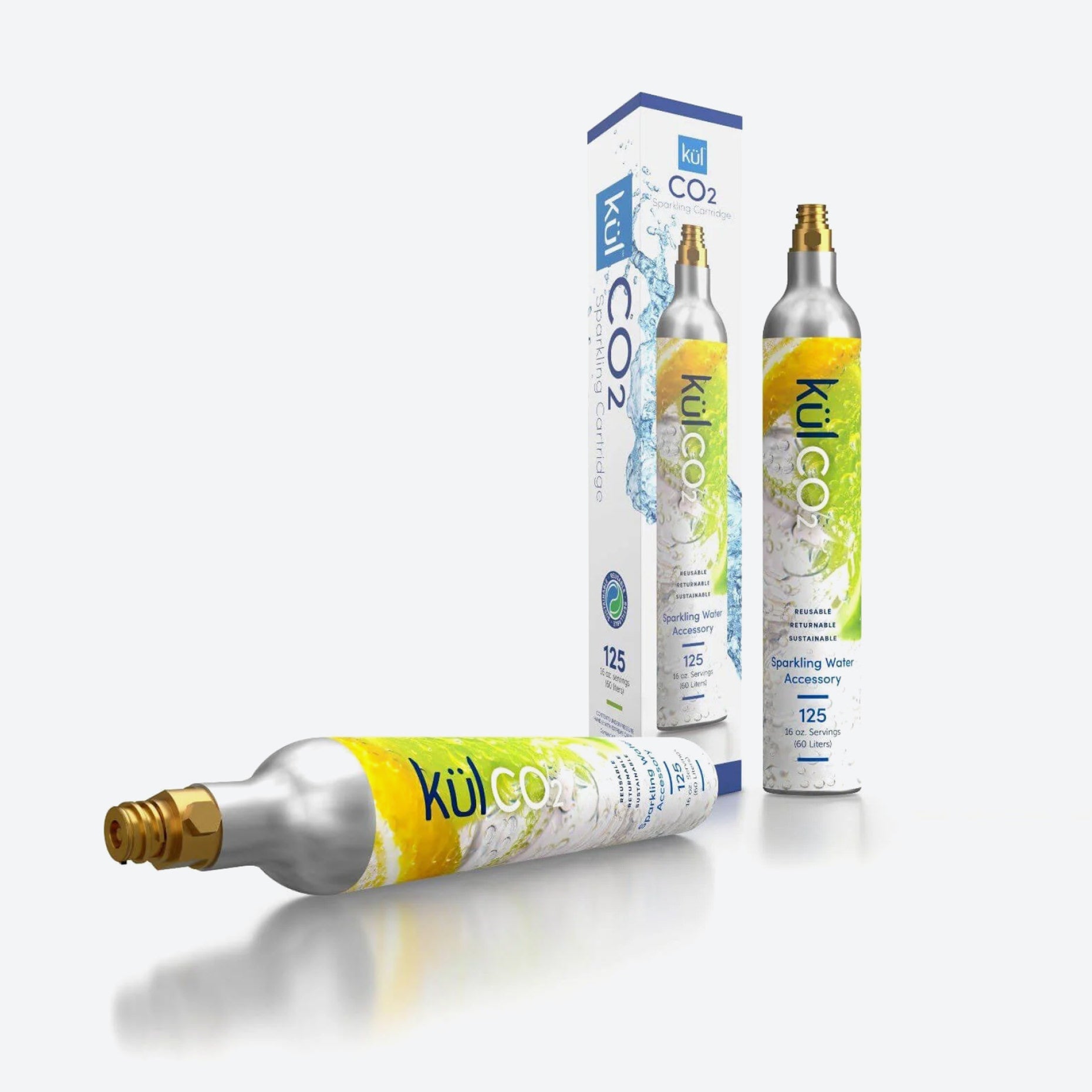
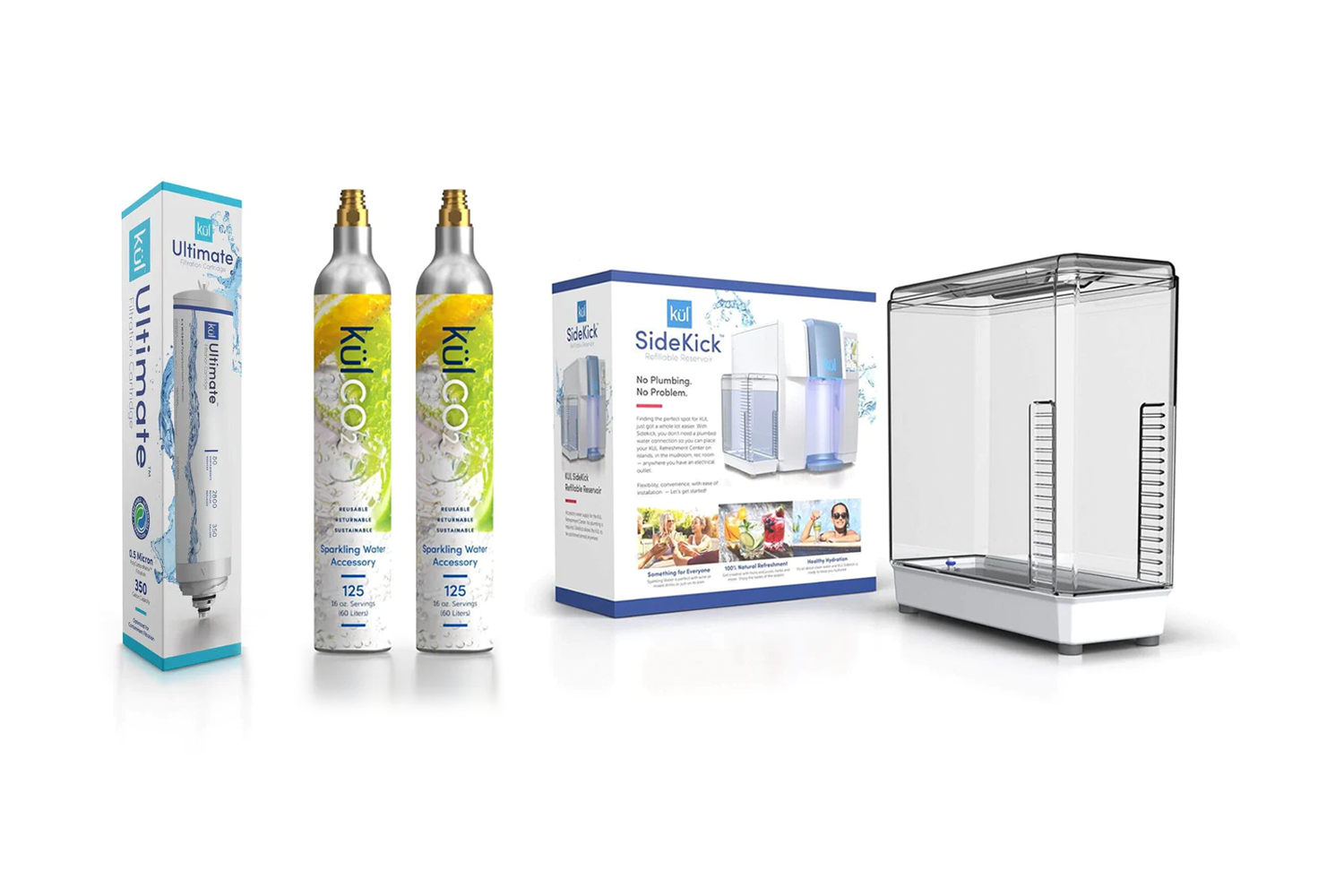
If you drink just two cans a day at around $1 each, that's over $700 a year on canned sparkling water alone. A home sparkling water dispenser eliminates most of that cost (you'll only pay for filters and CO2 cartridges) and can save thousands of dollars over a decade.
What is the best sparkling water machine for home use?
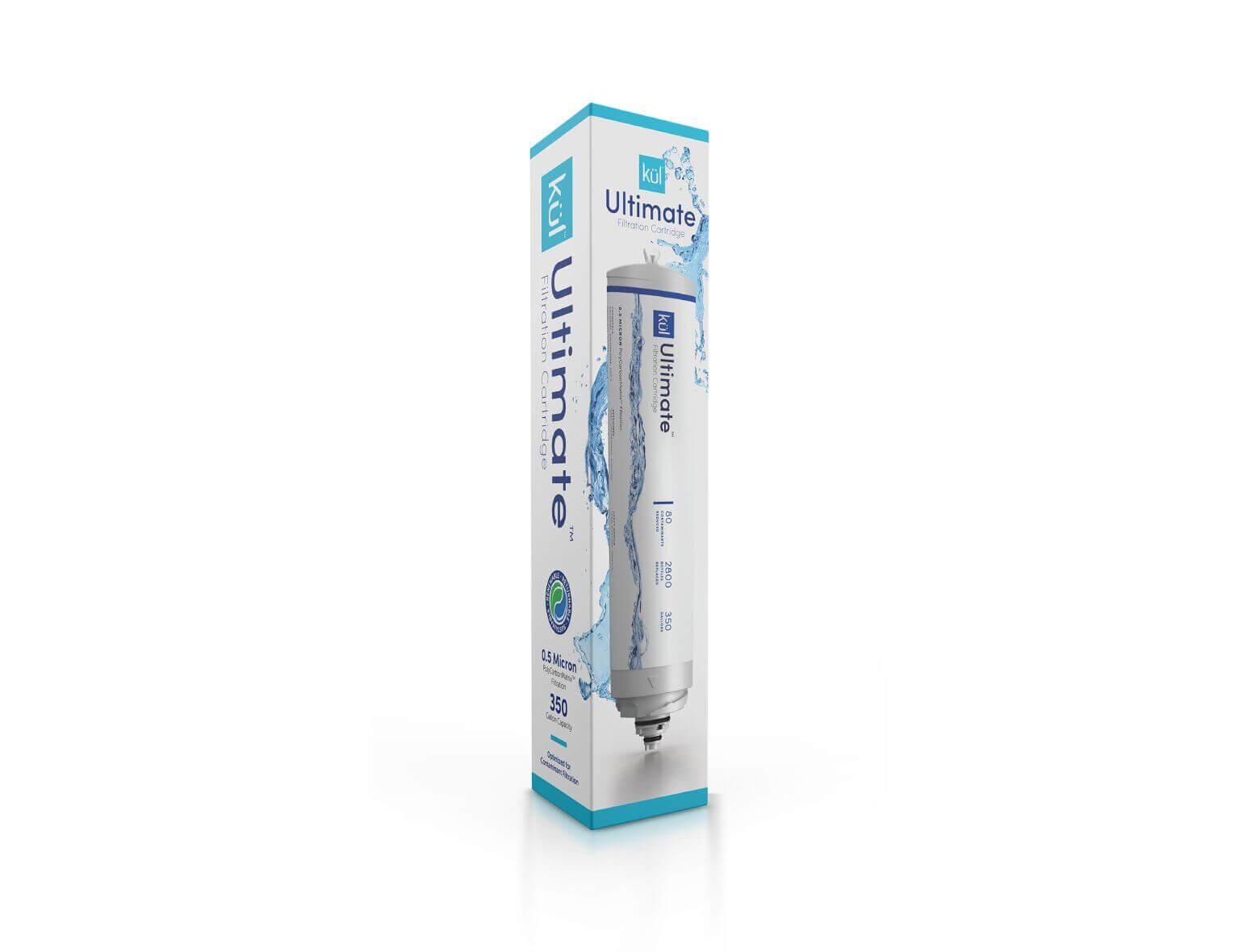
The best sparkling water machine for home use depends on what you need it to do. Look for a system that offers customizable carbonation levels, built-in filtration, and a reliable build. The Kül Spark also delivers cold, ambient, and hot water in addition to sparkling, making it more versatile than single-function units.
Are sparkling water machines better for the environment than canned drinks?
Yes. Aluminum can production and recycling both require significant energy and natural resources, and only about half of cans actually get recycled. A countertop sparkling water dispenser cuts out packaging waste entirely and significantly reduces the carbon footprint of your hydration habits.
How does a countertop sparkling water dispenser work?
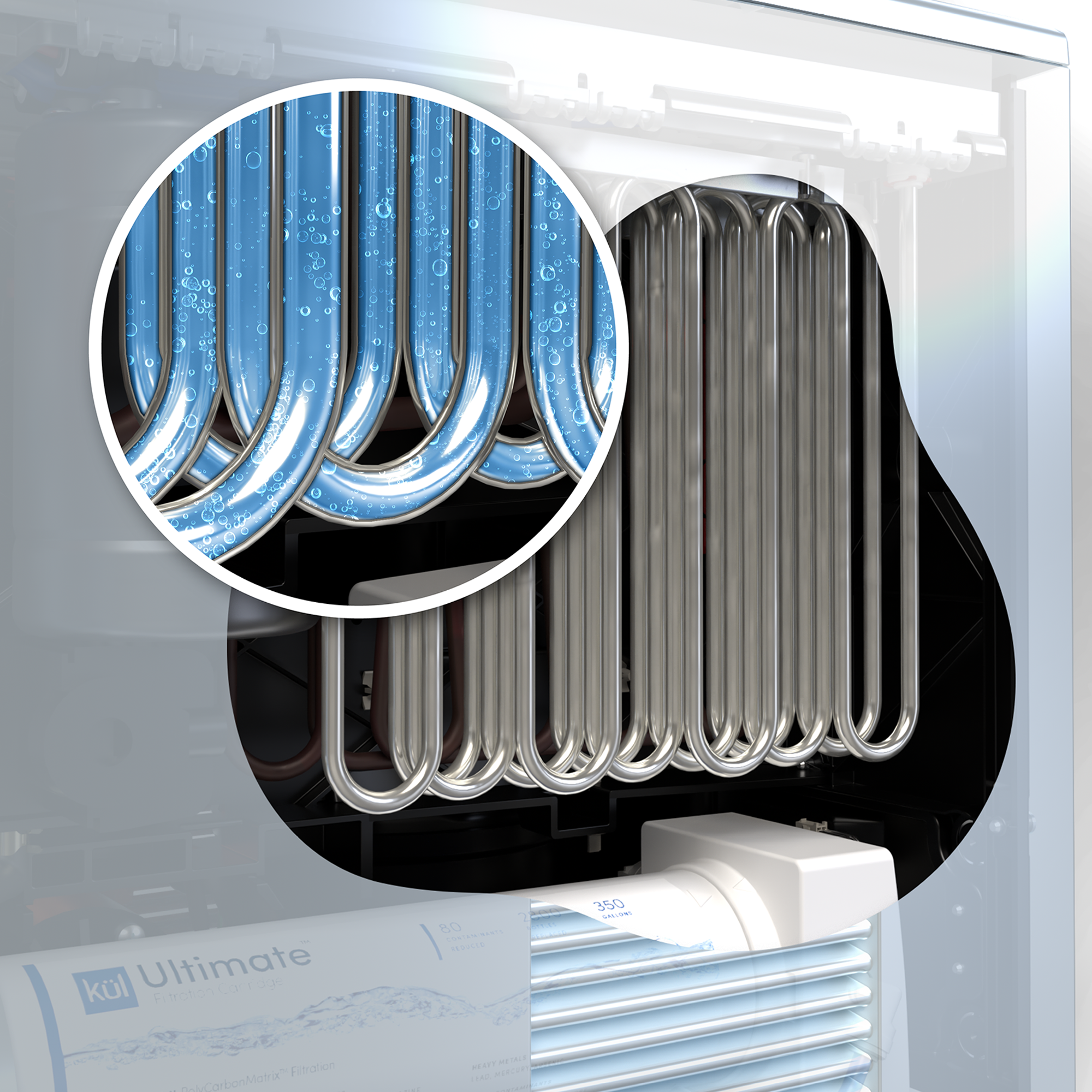
A countertop sparkling water dispenser filters water through an internal filtration system and uses a CO2 cartridge to carbonate it on demand. Most models let you choose your carbonation level and dispense fresh sparkling water within seconds.